
Business Scenario
A new residential property project was launched in Malaysia and needed to appeal to three different buyer groups at the same time: first-time homebuyers, investors, and upgraders. Each audience was approaching the project with a different level of urgency, different financial questions, and a different idea of what made the development worth shortlisting.
The project was already being promoted through property portals, digital ads, and social media. Attention was coming in, but the official website was not yet doing enough to turn that interest into confident enquiries. Buyers could see the project, but they could not always understand it quickly enough.
Current Challenges
Too much focus on visuals without enough structure
Many property project websites look polished at first glance, but they rely too heavily on renders and brand language without helping visitors understand the essentials clearly.
Important details were not easy to find
Key project information such as location, pricing direction, and unit type was not being surfaced clearly enough for people who wanted quick answers.
The enquiry flow was too weak
Visitors could browse, but the next step was not always obvious. Without a stronger path toward enquiry, even interested users had more room to delay action.
Agents were still carrying too much explanation work
The website was not reducing enough of the early-stage sales friction, which meant agents still had to repeat the same project explanations over and over.
Visitors were comparing several projects before taking action
In 2026, buyers rarely look at one project in isolation. If the website does not make the project easier to understand and trust, visitors simply move on to compare the next option.
Strategy: Structure + Clarity + Conversion
To improve performance, the website should act more like a guided decision platform and less like a digital brochure. The goal is not only to display the project attractively, but to help visitors understand the development quickly enough to decide whether it fits their needs.
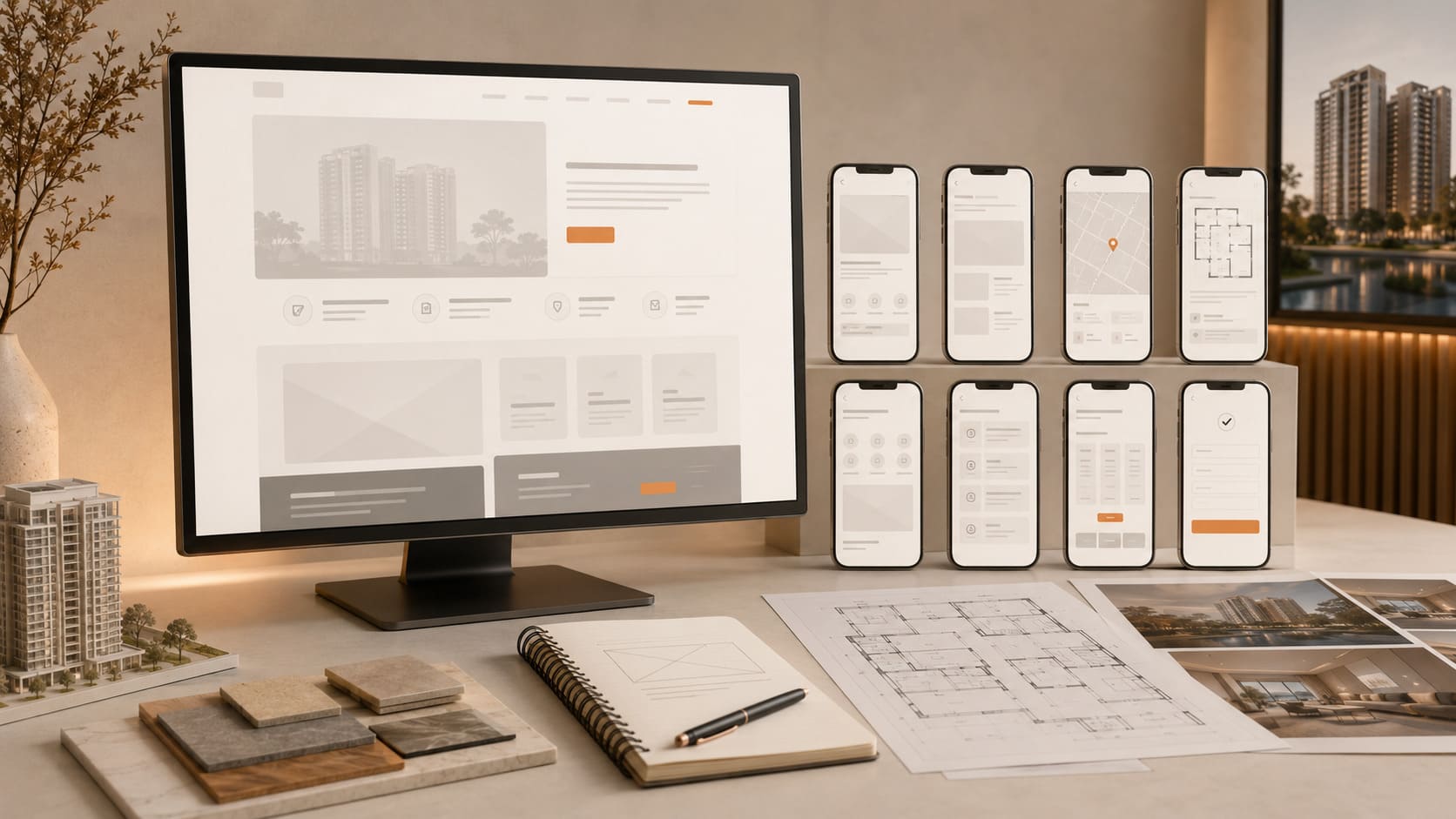
Case study visual sequence
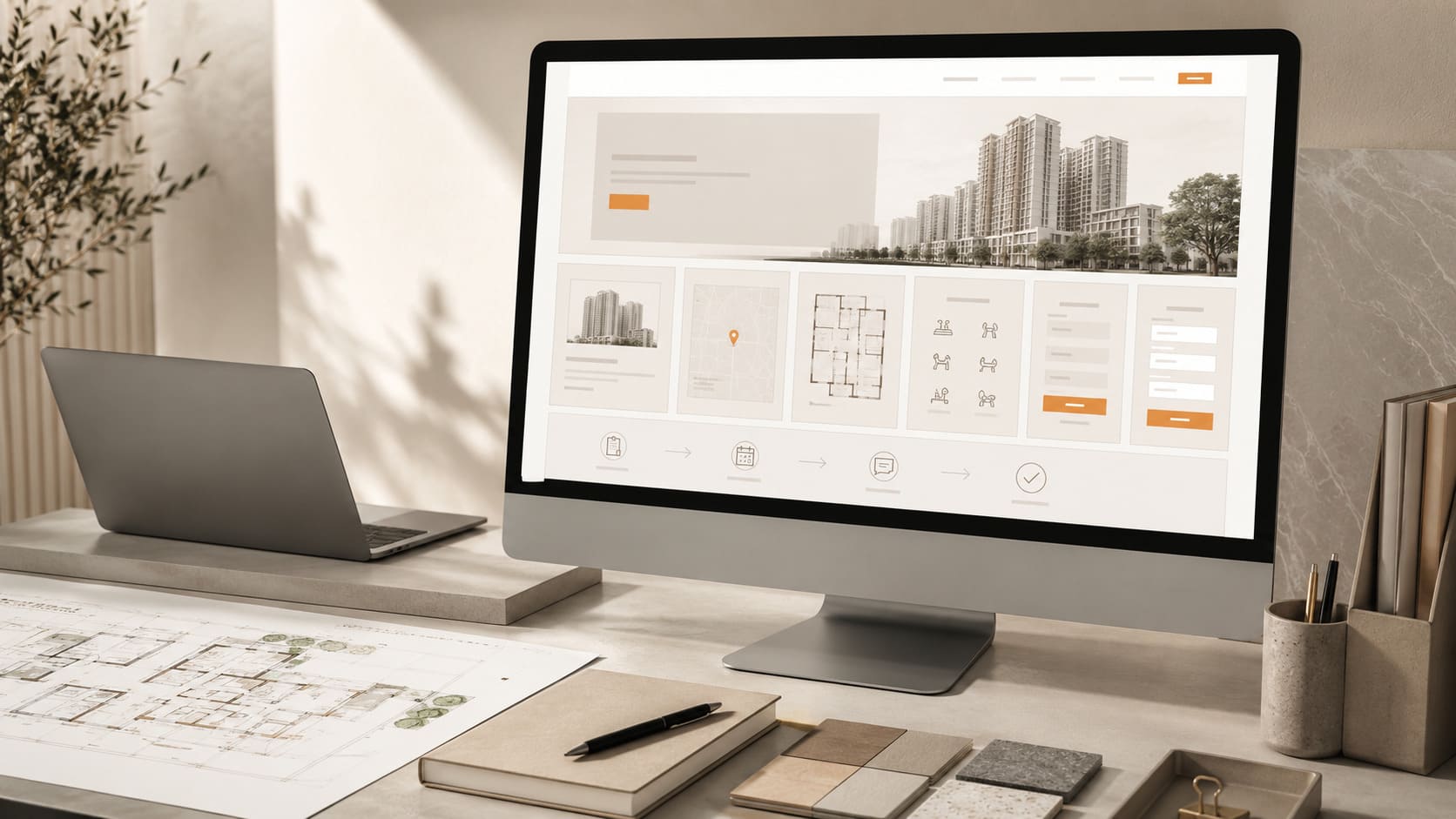
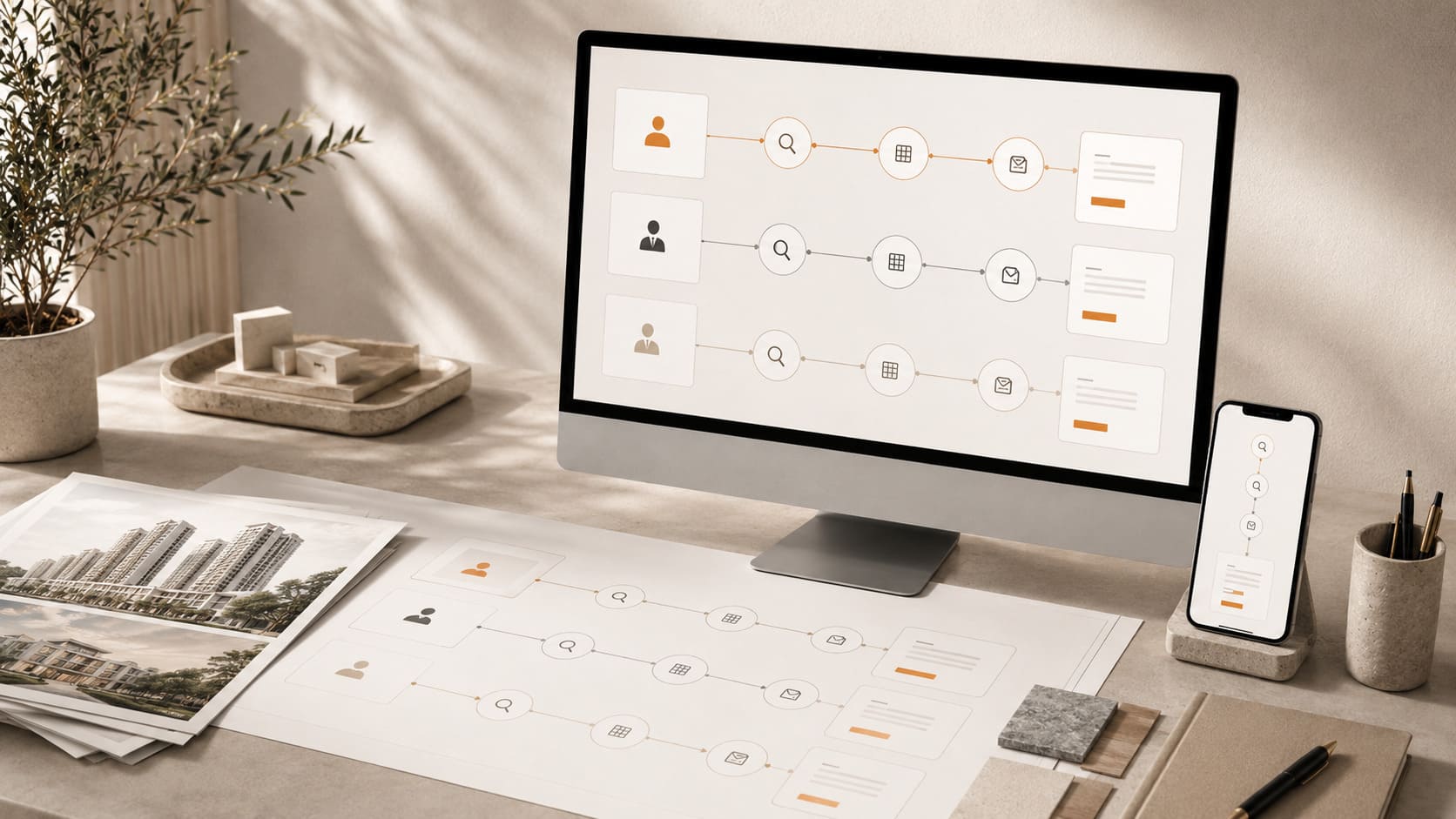
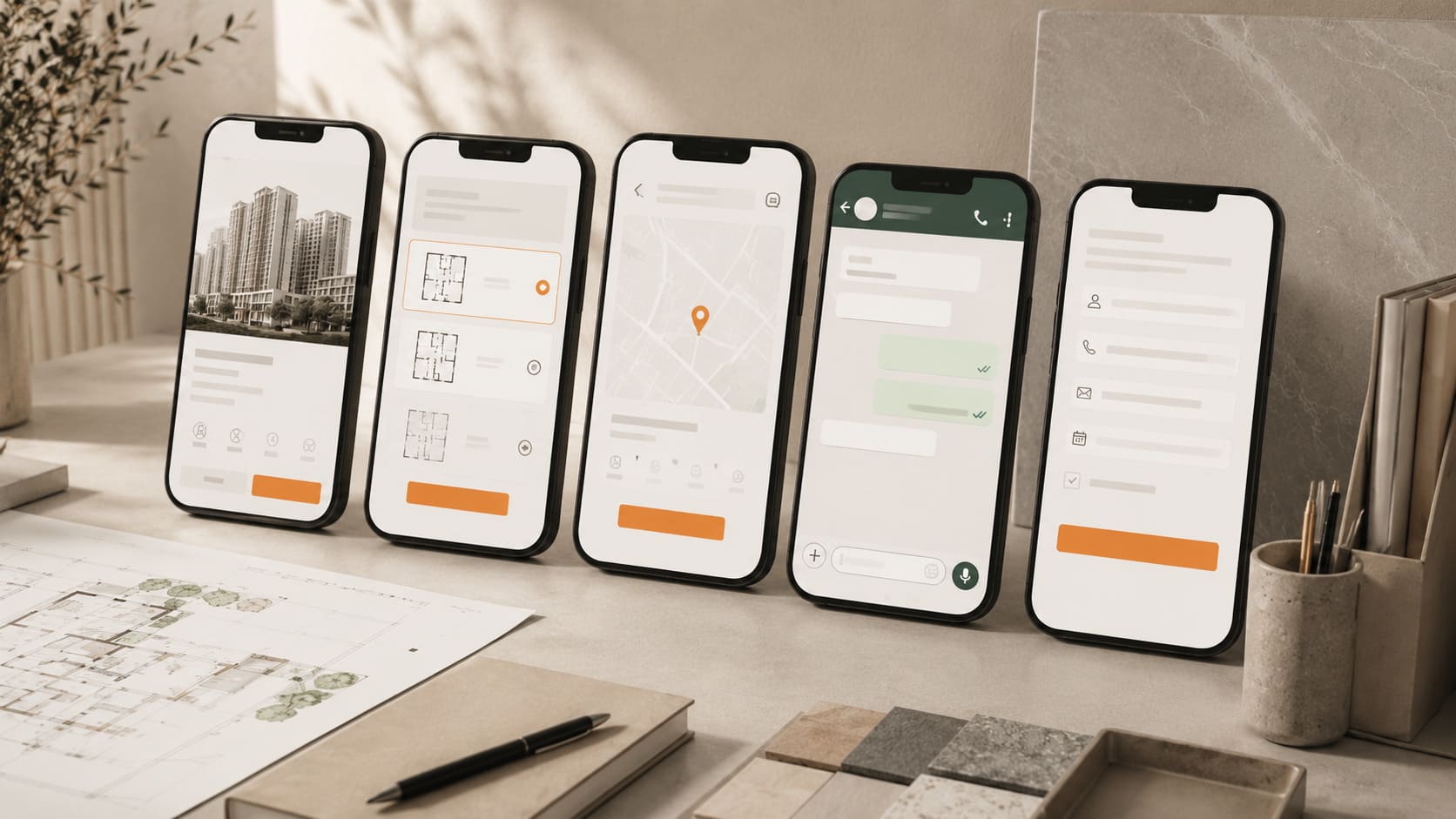
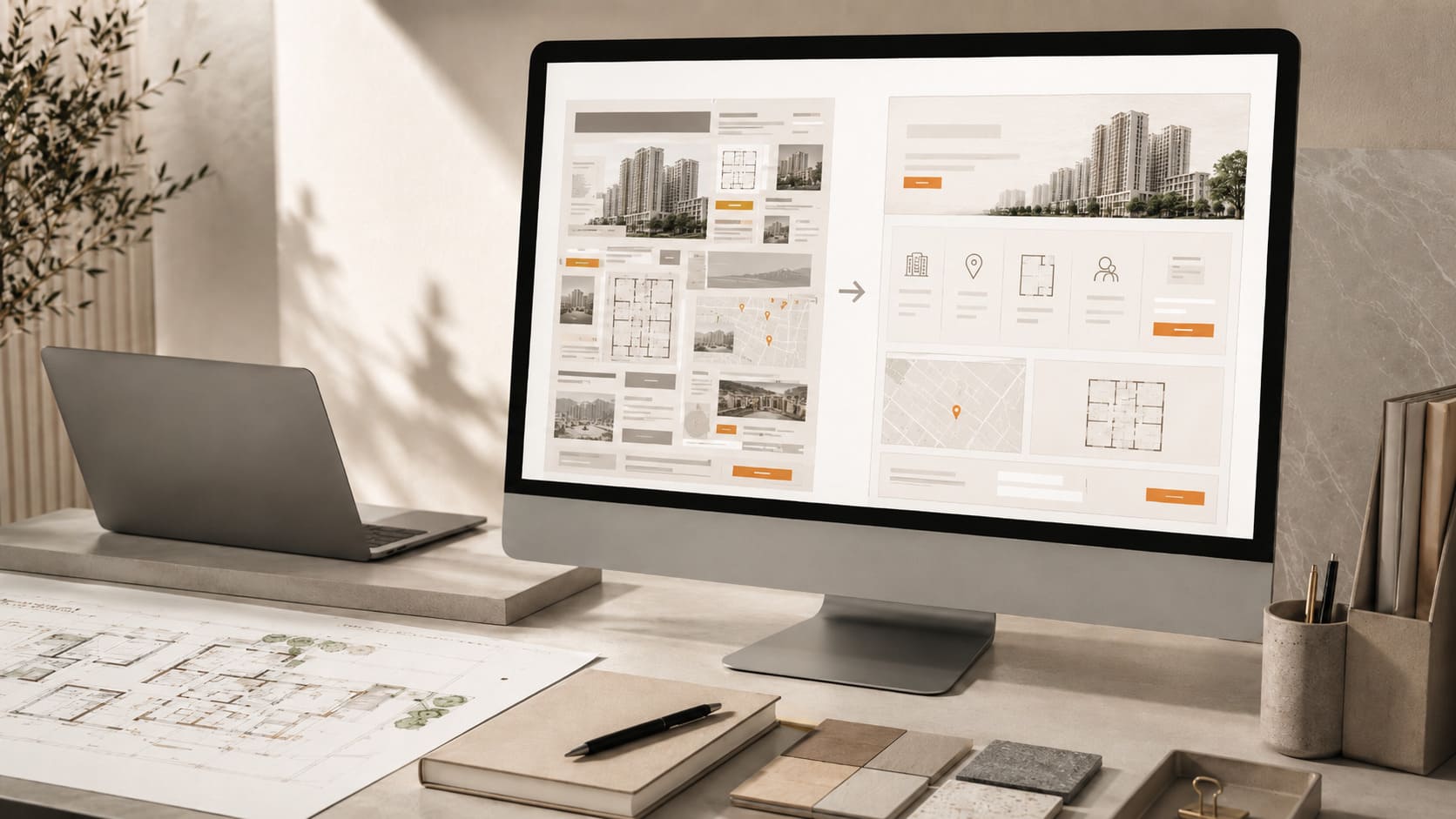
The following slide sequence shows how the property website can move from broad project presentation into clearer structure, buyer guidance, mobile enquiry, location visibility, lead quality, and before-after website clarity.


Website Structure Strategy
The website should help users understand the project within the first few scrolls. Instead of forcing visitors to search for basic information, the structure should surface the essentials clearly and in the right order.
That usually begins with a stronger project overview covering the concept, positioning, and target buyer, followed by dedicated sections for location, floor plans, facilities, and pricing direction.
That same issue is explored in more detail in how property websites in Malaysia can improve lead conversion, especially where trust and CTA placement begin to affect enquiry quality.
Location & SEO Strategy
Property search in Malaysia remains highly location-driven. Buyers often search with intent patterns such as condo in [location], new property in [area], or property investment [city] when they are actively comparing opportunities.
A stronger SEO structure therefore needs location-focused content, project-specific keywords, and supporting pages that help the website answer the surrounding questions buyers already have. That can include topics such as why invest in [location] or property trends in Malaysia.
That kind of content does more than bring visibility. It helps the project feel more informed, more relevant, and easier to evaluate in a crowded market. That is also why SEO strategy for new property projects in Malaysia needs to reflect buyer intent and area-based visibility rather than rely on broad keywords alone.
Lead Conversion Strategy
The website should guide visitors toward enquiry naturally instead of expecting them to figure out the next step alone. That starts with clearer calls to action such as Register Interest or Get Details, supported by a simple form asking only for the most useful early-stage details.
A visible WhatsApp enquiry option can also reduce hesitation for users who want quick contact before committing to a longer form. At the same time, CTA placement should appear throughout the page rather than only at the bottom, especially after key sections where buyer confidence begins to rise.
Buyer Journey Support
Different buyer groups move through the website with different concerns. First-time buyers tend to focus on affordability and reassurance. Investors look for ROI logic and location strength. Upgraders care more about lifestyle value, comfort, and whether the project feels like a real step forward.
The website should address these different needs with clearer explanations, stronger buyer-fit language, and enough confidence-building content before enquiry. The hesitation behind those comparisons is worth understanding on its own, which is why why property buyers compare multiple projects before enquiring is such an important supporting topic for project marketing teams.
Expected Results
With a stronger property website structure in place, the project could reasonably expect:
- better lead quality from buyers who already understand the project fit
- more informed enquiries with clearer buying intent
- higher engagement across location, layout, and enquiry sections
- less dependency on agents to explain basic project information repeatedly
- stronger credibility when buyers compare multiple projects online
For developers and management teams, this kind of improvement matters because a better website does not only create more leads. It helps create more usable leads.
Why It Matters
A property website is no longer just a brochure with images and floor plans. In a more cautious and comparison-driven market, it becomes part of the buyer's decision system. When the website reduces confusion, answers the right questions, and guides different buyer types clearly, it can support both SEO performance and lead generation far more effectively.